Your check engine light picks the worst possible time to show up, right before an inspection. It feels like a pop quiz you didn’t study for, and the clock is ticking.
The good news is you can handle this without panic or random parts shopping. Here’s a simple plan for what to do today, what not to do, and how to show up for your inspection with the best shot at passing.
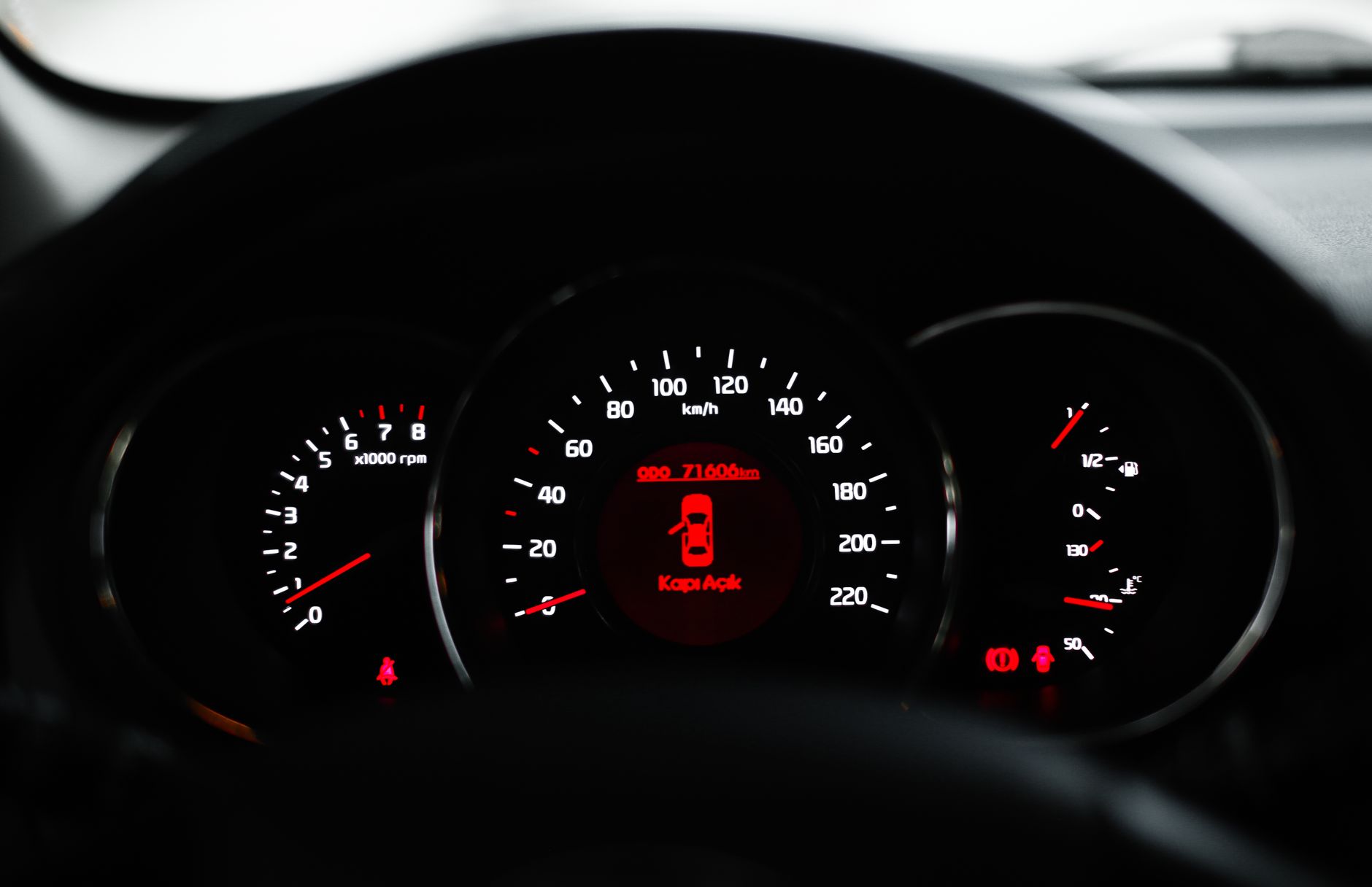 Photo by Yakup Polat
A steady check engine light usually means “drive gently and diagnose soon.” You can often make it to a shop, but you can still fail inspection if the light stays on.
A flashing check engine light is different. It often points to a misfire that can overheat and ruin the catalytic converter fast. If it’s flashing, stop driving and get help.
Look for red flags first: temp gauge creeping up, rough shaking, strong fuel smell, smoke, or a big loss of power. If any show up, don’t drive it to inspection.
Start with the easy, cheap checks, then move to a scan, then a real fix.
First, check the obvious basics (especially if the car runs fine). A loose gas cap is a common trigger. Next, scan the OBD-II codes before buying anything. Many auto parts stores will scan for free, or you can buy a basic OBD-II scanner for home.
Once you have codes, you can decide if this is a quick win or a “book a shop” issue. Some problems are simple (gas cap, dirty MAF sensor, worn plugs). Others often take more time (oxygen sensors, repeated misfires, EVAP leaks, catalytic converter efficiency codes like P0420).
Tighten the cap until it clicks. Check the rubber seal for cracks or flattening, replace the cap if it looks worn.
If that was the only issue, the light may turn off after normal driving, often 20 to 50 miles.
The OBD-II port is usually under the dashboard near the steering column. Write down the code(s) and any freeze-frame info your scanner shows.
Examples of code to fix paths:
If you see several codes at once, a shop diagnostic can save time.
Clearing codes resets readiness monitors. Many inspections check both codes and monitor status, and “not ready” can fail you even with the light off. It often takes 50 to 100 miles (sometimes more) for monitors to reset after clearing.
Disconnecting the battery can cause the same problem.
Guessing wastes money and can add new problems. Additives rarely fix sensor, EVAP, or catalyst faults, and they can hide symptoms for a day, then the light returns.
Rules vary by state and county, but in many places a lit CEL is an automatic emissions fail. Some states also limit how many monitors can be “not ready.” For example, Wisconsin allows up to 2 not-ready monitors for 1996 to 2000 vehicles, and 1 for 2001+.
Check your DMV site or call the station to confirm local limits.
Rescan for pending codes and check readiness the day before. Go early so you still have time for a fix or retest if something pops back up.
Treat a flashing light as urgent, and don’t risk a drive that can cook the catalytic converter. If it’s steady, start simple (gas cap), then scan the codes, fix the real cause, and confirm readiness before you test. A quick scan usually saves you time, money, and the headache of failing inspection twice.