FRANCONIA AUTO REPAIR PROVIDES DIFFERENTIAL REPAIR SERVICES TO HATFIELD, PA, AND OTHER SURROUNDING AREAS.
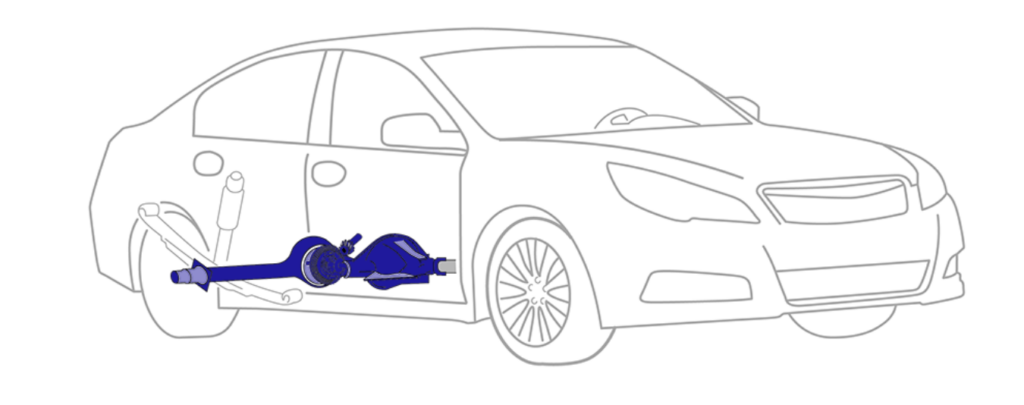
The differential is responsible for transferring engine power to the wheels. It also compensates for and adjusts to the differences in wheel speed as your vehicle moves through turns. When your vehicle navigates a turn, the inside wheel turns slower than the outside wheel, which has to turn faster in order to keep pace with the inside wheel. The differential allows the wheels to turn at different speeds while maintaining control. A vehicle without a differential would hop and bump along the pavement for an unstable, shaky ride. Four wheel drive vehicles are equipped with a differential in front and back, while rear wheel drive vehicles are equipped with a differential in back. A front wheel drive’s differential, called the transaxle because of the functional combination of the front axle and transmission, is located between the front wheels. All-wheel drive vehicles are equipped with a differential between both the front and rear wheels with a transfer case between them. The case adjusts for speed differences between the front and rear wheels. In all vehicle applications, the differential is primarily responsible for routing and regulating power between wheels.
Benefits of Differential Repair
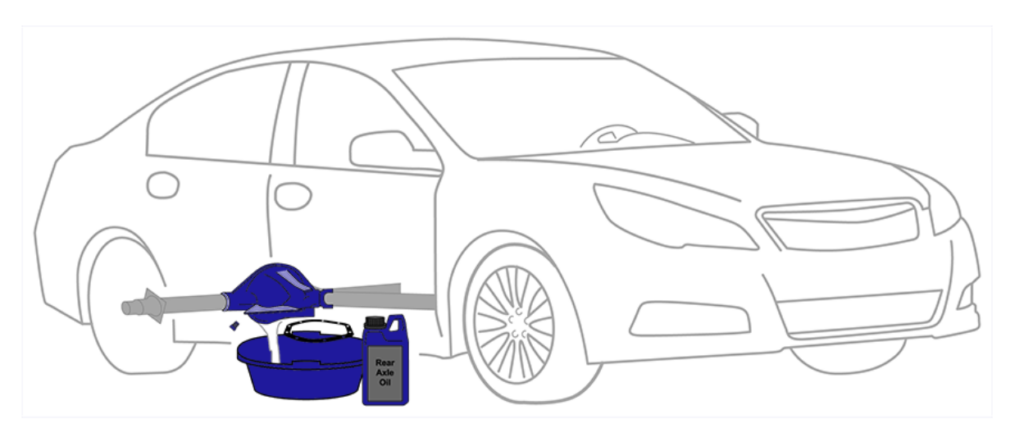
Whether your car or truck has four-wheel drive, front wheel drive, or rear wheel drive, your vehicle has a differential that experiences heavy wear and tear. When scheduling a differential repair service, you should consider where you drive most often and how much time your vehicle spends traversing particular types of terrain. Tougher terrain—like dirt roads, unpaved or gravel roads—and extreme driving can have a heavier impact on the life of your vehicle’s differential. Maintenance for differentials will differ from vehicle to vehicle. As part of your normal car maintenance schedule, a differential fluid change can positively impact the safety and health of your vehicle. Noise coming from your vehicle’s differential can be a sign of insufficient lubricant or worn gears and bearings due to regular wear and tear. At the first sign of trouble, contact us so we can quickly diagnose and correct the issue.
Franconia Auto Repair proudly serves the Differential Repair needs of customers in Hatfield, PA, and surrounding areas.
Areas Served : Hatfield, PA | and surrounding areas